Why seal contaminated gear after a fire?
Turnout gear and SCBA keep releasing smoke residue and harmful gases long after the fire is out. Loose in the cab, that exposure follows the crew all the way back to the station.
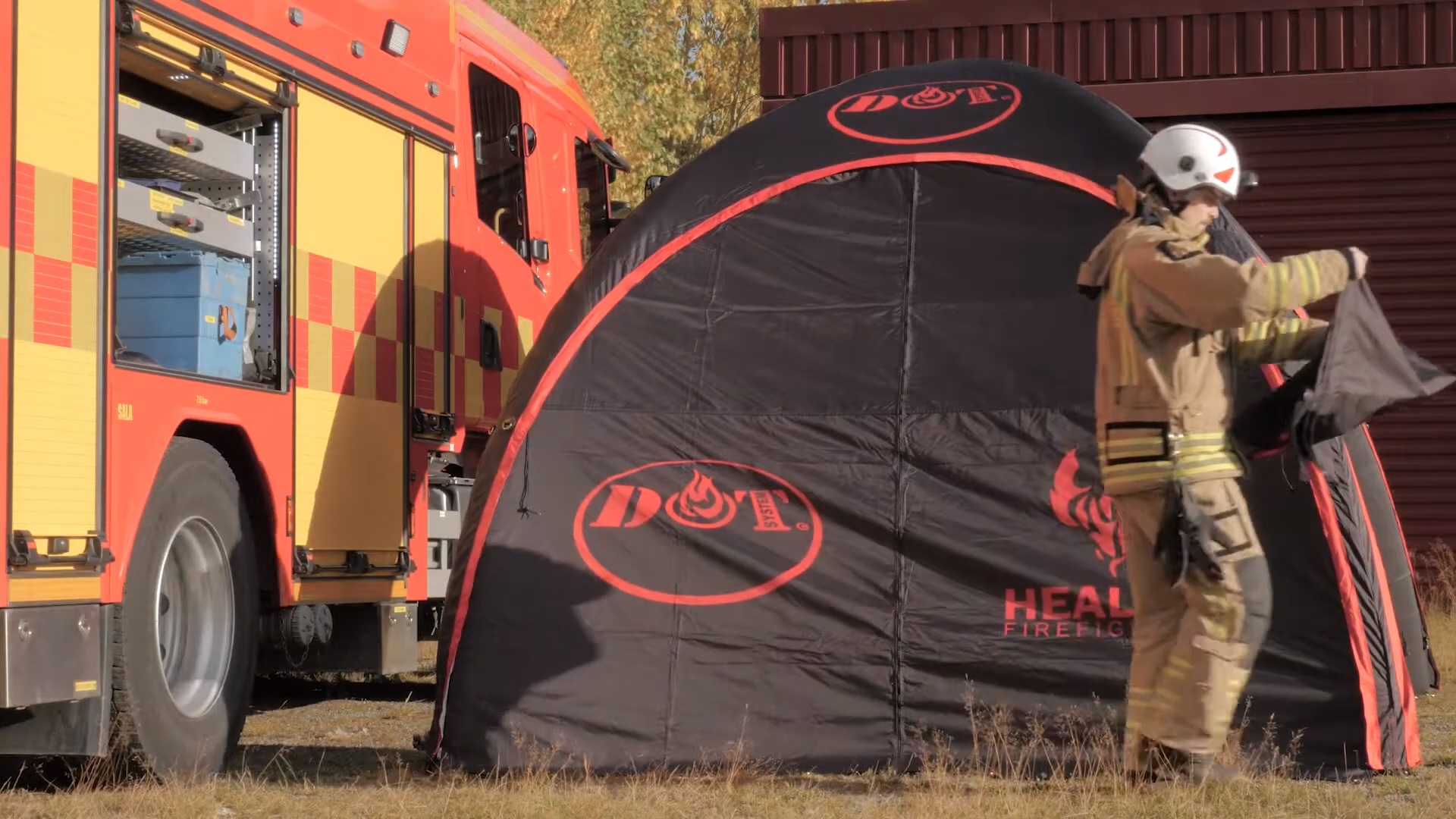
Fast on scene, so the crew can shower soonerAll contaminated gear is quickly encapsulated at the scene. No time-consuming preparation of protective clothing for washing in the field, under difficult conditions. The crew can get to the shower and change faster.
Emptied under controlled conditionsThe bags are opened and the gear decontaminated at the fire station, with the right protection and equipment, instead of at the fire scene. Contaminated gear stays sealed all the way there, so clean zones stay clean.
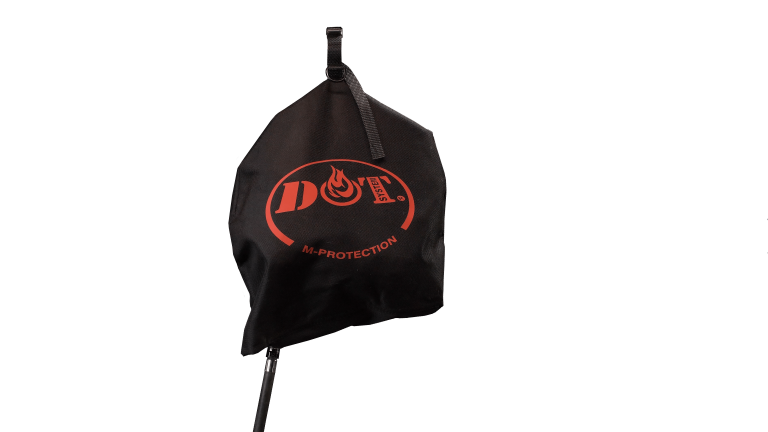
Stops off-gassing in the cabSealed in a DOT bag, contaminated gear cannot off-gas where the crew sits. This is the core of the clean cab concept.
Re-usable for yearsDurable PVC and TPU materials, washed at 40 °C in an extractor or washing machine, instead of single-use plastic bags.
The European standard for firefighters' protective clothing, EN 469:2020 (Annex B.4), recommends putting contaminated garments in well closed bags to prevent cross contamination of the truck. The US National Institute for Occupational Safety and Health gives the same advice: NIOSH, Protecting Firefighters from Contaminated Gear (2026).
How to use the DOT System
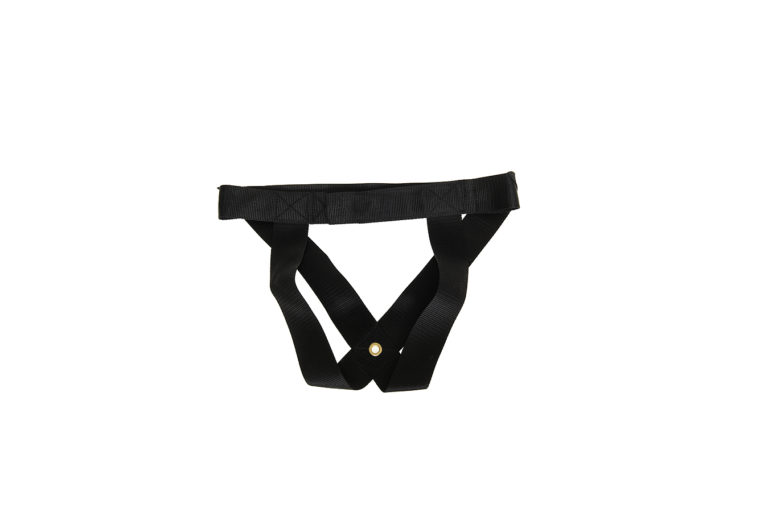
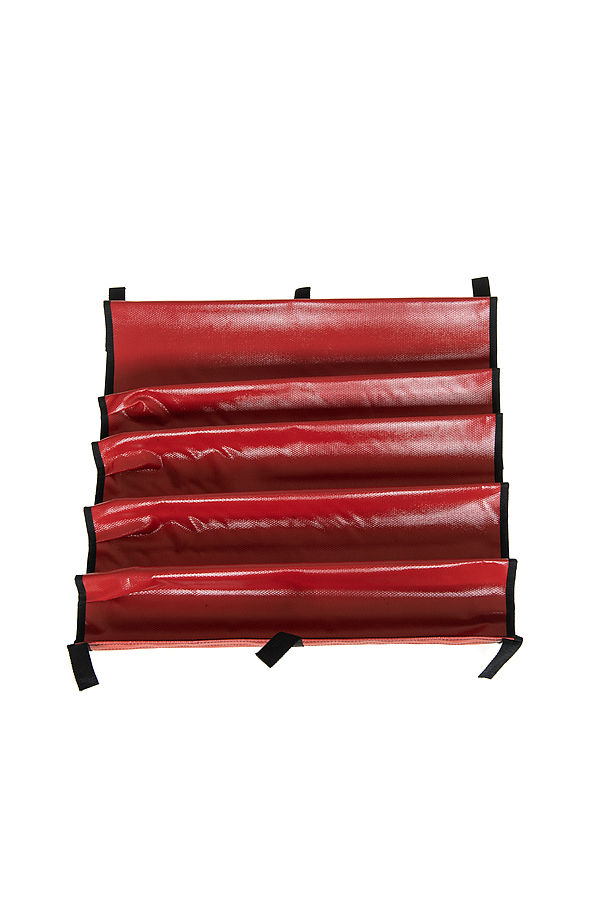
- Keep empty DOT bags ready in DOT holders mounted in the apparatus.
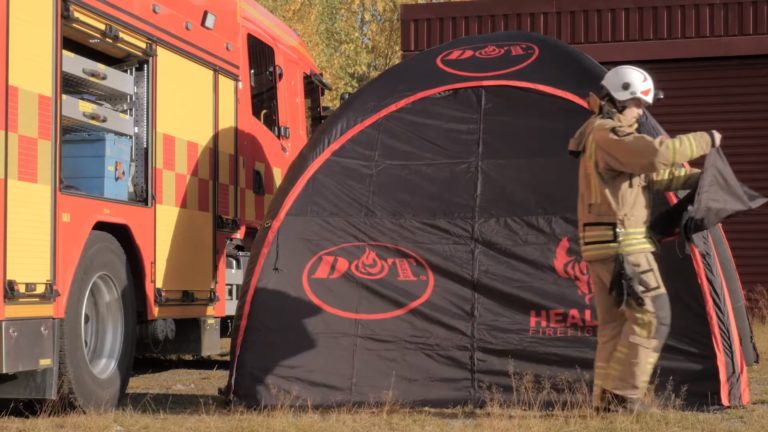
- After the fire, take off contaminated turnout gear and equipment at the scene.
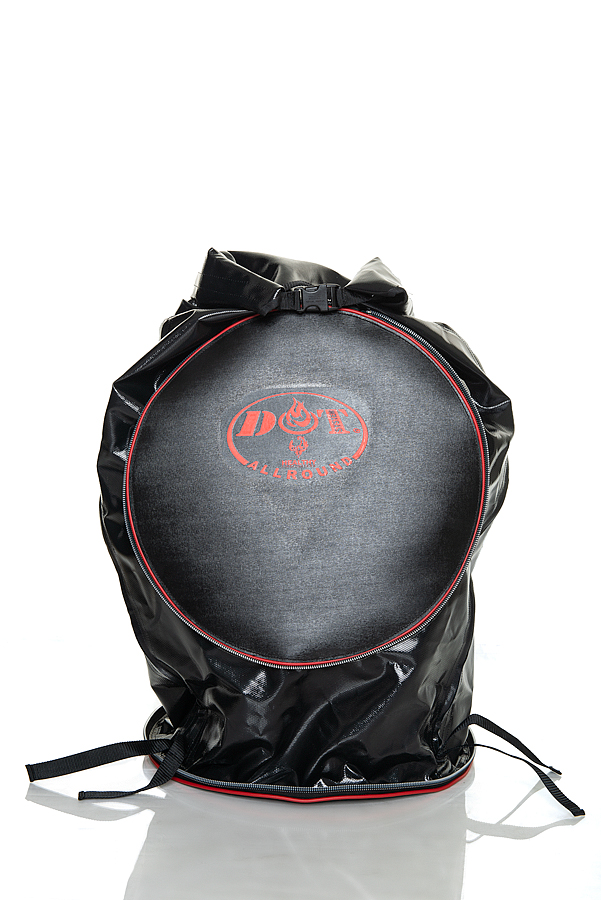
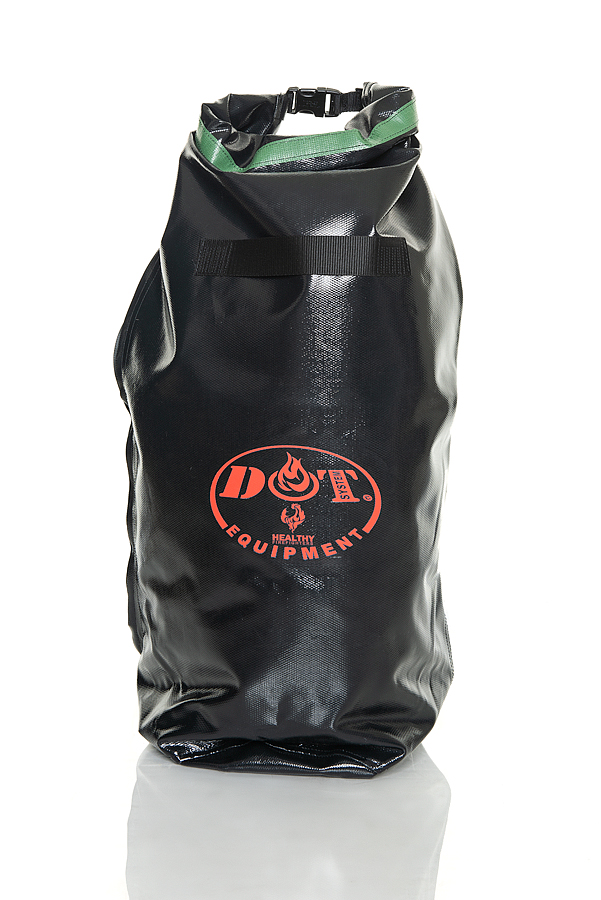
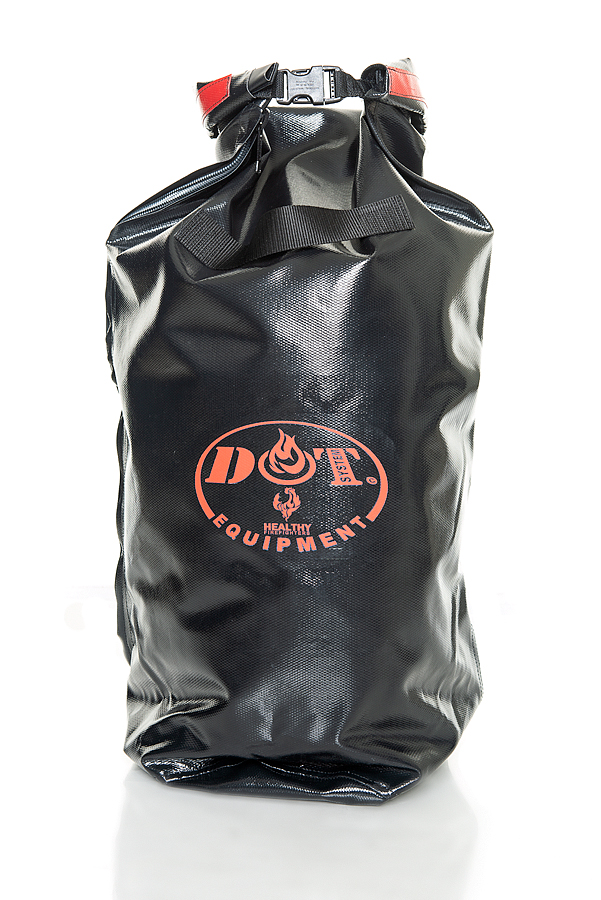
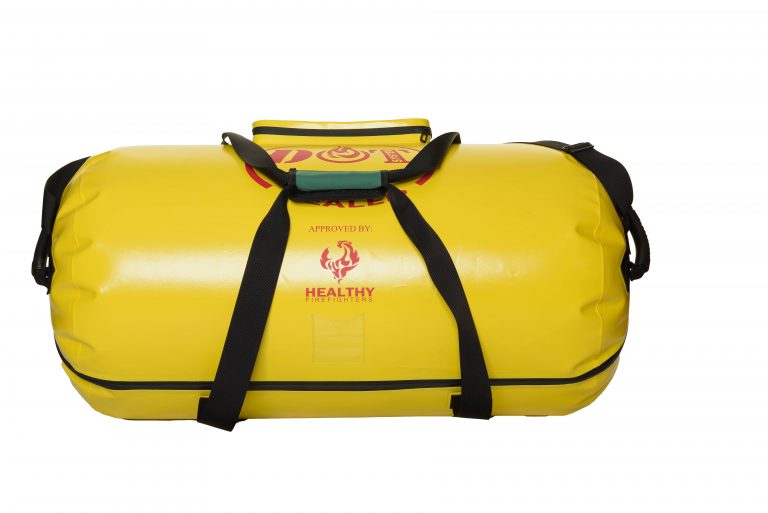
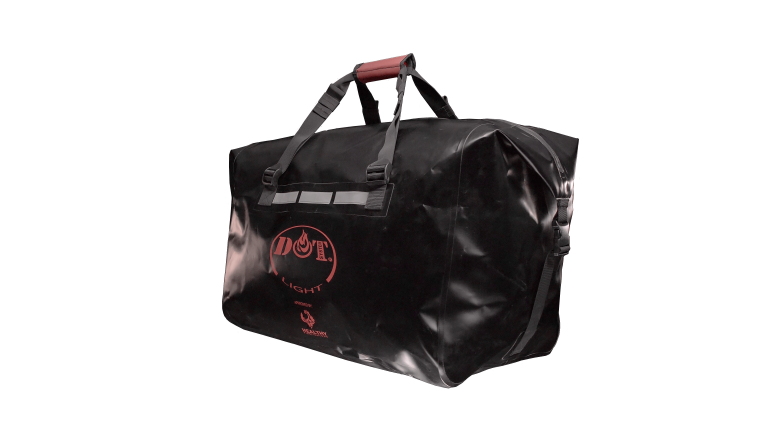
- Place it in the right DOT bag and close it: DOT Allround for turnout gear, DOT Equipment or Equipment XL for SCBA and equipment, or a welded DOT Light or DOT Sealed bag.
- Transport the sealed bags back to the station in the fire truck.
- Open the bags in the decontamination area at the station and send the gear for cleaning.
- Wash the empty bag at 40 °C in an extractor or washing machine and hang it to dry, ready for the next call.
See the full routine in the DOT System Instructions video below.